

The Impact of War on the Advertising Industry
War is one of the most significant crises that can affect the economic, social, and cultural structure of a society. In such circumstances, almost no industry remains completely unaffected, and the advertising industry is no exception. Declining purchasing power, changes in consumer behavior, disruptions to business activities, shifts in media consumption, and growing social sensitivities can all transform advertising from a purely commercial tool into a much more complex form of communication.
The experiences of countries affected by war, particularly Ukraine following the large-scale Russian invasion in 2022, demonstrate that advertising during wartime can simultaneously serve economic, social, cultural, and communicative functions.
Reduced Advertising Budgets and Changing Priorities
One of the first effects of war on the advertising industry is a reduction or redistribution of advertising budgets. When a country faces insecurity, inflation, declining investment, and disruptions in supply chains, many companies reduce their marketing expenses or redirect them toward activities that provide faster and more measurable returns.
In these circumstances, advertising designed primarily to build long-term brand awareness or strengthen brand image may be replaced by sales-oriented, performance-based, and digital advertising. Businesses tend to focus on reaching consumers who are more likely to make a purchase while attempting to achieve measurable results with fewer resources.
As a result, advertising strategies during wartime often become more pragmatic. Companies may prioritize short-term sales, customer retention, and direct communication over large-scale brand-building campaigns.
Changes in Consumer Behavior
War does not only affect corporate budgets; it also changes the attitudes, priorities, and purchasing behavior of consumers. Under normal circumstances, consumers may spend money on luxury products, entertainment, lifestyle experiences, and non-essential goods. During wartime, however, priorities often shift toward security, affordability, accessibility, essential products, and support for local businesses.
This transformation requires brands to reconsider their advertising messages. Campaigns that emphasize excessive luxury or appear disconnected from people’s everyday realities may generate negative reactions. In contrast, messages that acknowledge difficult circumstances and emphasize empathy, trust, responsibility, and continuity may create a stronger connection with audiences.
Understanding the emotional and economic context of consumers therefore becomes an increasingly important part of advertising strategy.
From Commercial Messages to Social Communication
One of the most significant changes in advertising during wartime is the growing overlap between commercial advertising and social communication. Brands may no longer communicate only the features and benefits of their products. Instead, they may also address issues such as humanitarian assistance, solidarity, employee support, community resilience, and maintaining everyday life.
Research on advertising in Ukraine has shown that following the Russian invasion in 2022, some advertising messages shifted away from lifestyle and consumption-oriented themes toward ideas of solidarity, resistance, and social participation.
In such circumstances, purchasing a product, supporting a company, donating money, or sharing a campaign can become connected to broader social actions. Advertising therefore becomes part of the cultural environment surrounding the conflict.
This demonstrates that brands can become more than commercial entities during a crisis. Their communication can contribute to how people understand their relationship with businesses and society.
The Growing Importance of Brand Trust and Reputation
During wartime, trust becomes one of the most valuable assets a brand can have. Consumers may pay greater attention to how companies treat their employees, customers, suppliers, and communities.
For example, if a company promotes messages of empathy and social responsibility while behaving differently in practice, the gap between its communication and its actions may damage its reputation.
Consequently, corporate social responsibility becomes more meaningful when it is supported by concrete actions. Supporting employees, maintaining essential services, assisting affected communities, and communicating transparently can all influence how a brand is perceived during a crisis.
In this environment, consumers may evaluate a brand not only by what it sells, but also by how it behaves when society is under pressure.
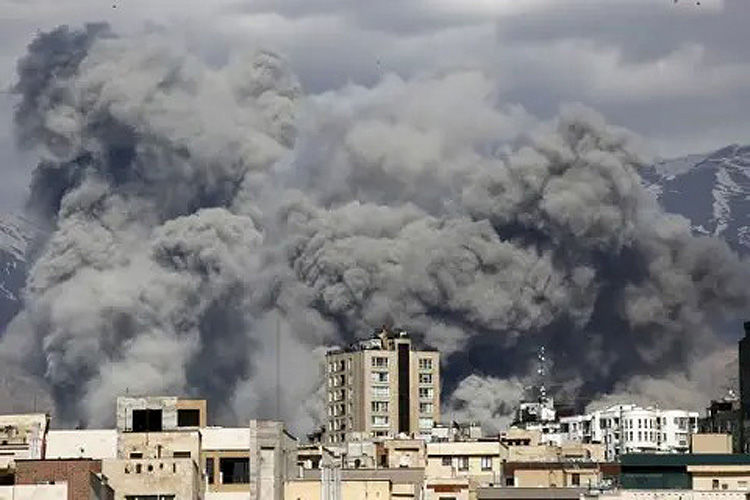
he Changing Role of Media
War can significantly alter the way people consume media. During periods of crisis, news websites, social media platforms, and messaging applications often become increasingly important sources of information. Audiences may spend more time following breaking news and real-time developments.
This can increase the importance of digital advertising and social media communication. However, it also creates new challenges for advertisers, particularly in terms of brand safety.
News environments during wartime can contain highly sensitive material, graphic imagery, misinformation, and rapidly changing information. As a result, advertisers must carefully consider where their advertisements appear and how their brands may be associated with surrounding content.
At the same time, completely avoiding news environments can reduce a brand’s ability to reach audiences during periods when media consumption is particularly high. This creates a difficult balance between audience reach and brand safety.
The Emergence of New Forms of Creativity
Despite the challenges created by war, crises can also lead to new forms of creativity within the advertising industry. Limited resources, changing media environments, and the need to communicate emotionally powerful messages can encourage agencies and brands to experiment with new approaches.
In Ukraine, for example, advertising during wartime has increasingly incorporated national colors, cultural symbols, collective narratives, and themes of resilience and solidarity.
These approaches demonstrate how advertising can move beyond traditional product-centered communication and incorporate cultural identity and shared experiences.
Digital platforms can also provide brands with relatively flexible and cost-effective ways to communicate. Instead of relying exclusively on traditional television, print, or outdoor advertising, companies can use social media, influencer communication, short-form video, and community-based content to reach specific audiences.
Ethical Challenges in Wartime Advertising
One of the most sensitive issues surrounding advertising during war is the ethical use of emotions. Fear, anger, patriotism, grief, and solidarity are powerful emotions, and using them irresponsibly can make advertising appear manipulative.
Brands therefore need to be particularly careful when selecting images, language, and narratives. Using human suffering merely to attract attention or increase sales can damage a company’s reputation and create public backlash.
Ethical advertising during wartime requires sensitivity to the experiences of affected communities. Brands should consider whether their campaigns contribute meaningful value or simply attempt to capitalize on an emotional crisis.
Transparency is also particularly important. When companies engage in humanitarian or social initiatives, audiences may expect clear information about what the company




Leave a Reply